McDonald Auto Group gift expands healthcare provider training
November 9, 2026
CMU alumna’s book sheds light on how America brought its fallen service members home
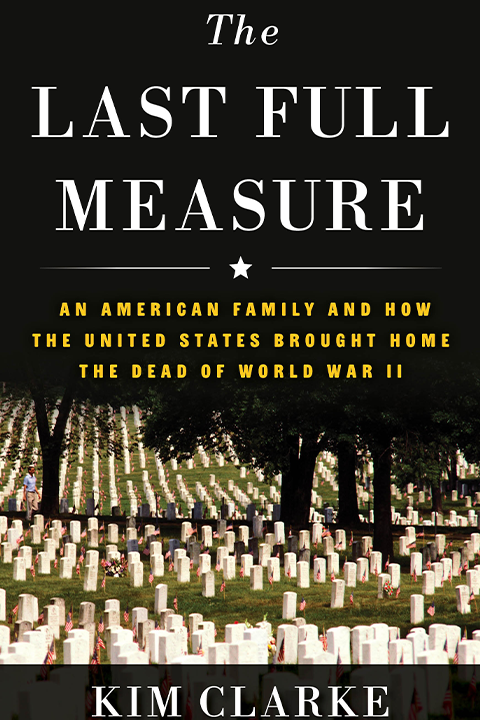
For Central Michigan University alumna Kim Clarke, ’82, the journey to writing The Last Full Measure: An American Family and How the United States Brought Home the Dead of World War II began with a personal mission: learning more about her grandfather and the war that kept him from coming home.
What began as a family history project in the early 1990s evolved into decades of research on a lesser-known chapter of World War II: the U.S. government’s effort to recover and return fallen service members’ remains.
Clarke’s grandfather, Delbert Trueman, was a corporal in the Army Air Corps and one of 10 crew members aboard a bomber that crashed over Austria in 1944. Four crew members survived; Trueman and five others died.
After Trueman was reported missing in action in 1944, his family waited 10 months for confirmation of his death. Even then, the uncertainty continued. His remains did not return to their final resting place in the Trueman family’s home state of Indiana until January 1949, nearly five years later.
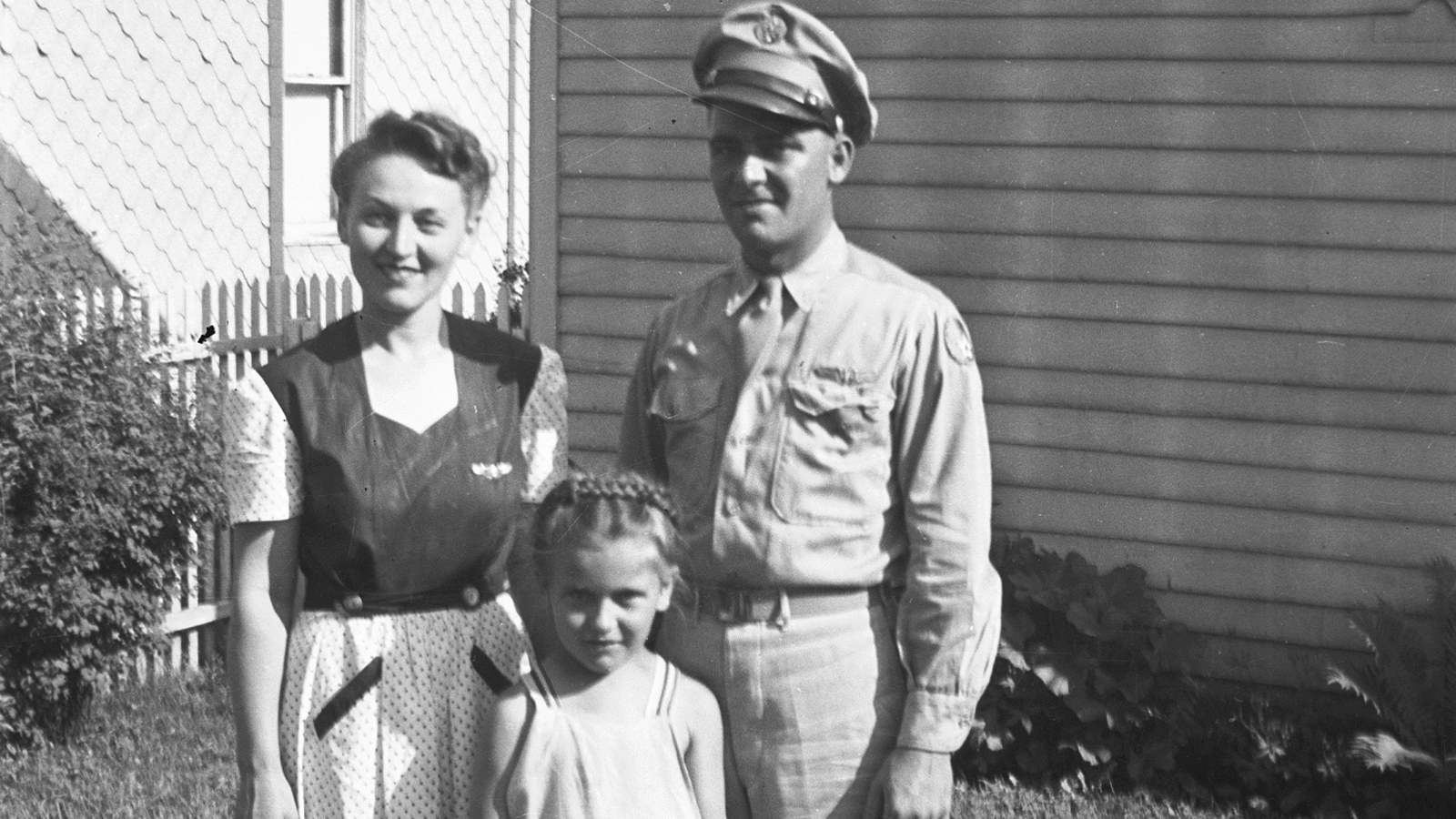
As Clarke researched her grandfather’s story, she connected with surviving crew members and interviewed her mother and grandmother, whose memories helped her better understand the family’s loss.
When she spoke with others, Clarke heard similar stories of families waiting years for the remains of loved ones killed in the war to be recovered or returned home. She wanted to understand why the process took so long.
Her search led her to the government’s postwar Return of the Dead program, a massive undertaking to recover, identify and transport the remains of Americans killed overseas. Using military records at the National Archives, she traced people involved in the effort. When those individuals had died, their children helped fill in the gaps with photographs, letters and diaries.
These personal accounts helped Clarke document not only the logistics of the operation, but also the long wait families endured before they could lay their loved ones to rest.
“We are so conditioned, probably by movies,” Clarke said, noting how war films can make it seem as though a death notification and funeral follow within days. “And you think it all happens over a week, which it might these days. But in 1945, that’s not how it happened.”
For many families after World War II, the process took years, and families could choose to have their loved ones returned to the United States or remain buried in permanent military cemeteries overseas.
For Clarke, completing the book is both a personal accomplishment and a tribute to the sacrifices made by her family.
“I’m proud of it because it honors my grandfather,” she said. “It also honors my grandmother and my mother and what they lived through … the sacrifices that they made.”
Clarke’s path to becoming a writer and researcher began at CMU, where she arrived in fall 1978 to study journalism. Initially too intimidated to join the student newspaper, Central Michigan Life, she became involved during her sophomore year and eventually served as editor-in-chief during her final semester.
Her classes in reporting, editing, ethics and law prepared her for the work, while the newspaper taught her to take responsibility and make decisions under pressure. Just as important, she said, were the lasting friendships she formed there.
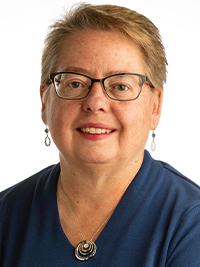
Clarke's first four jobs after graduation were at newspapers, mostly secured through connections with CMU alumni and journalism faculty. After working at the Ann Arbor News, Clarke joined the University of Michigan in 1994. She currently works as an executive speechwriter and has spent much of her career researching and writing about university history.
She also gives back to the next generation of journalists. Having received a scholarship while at CMU, Clarke established an endowed scholarship to help journalism students cover expenses such as books and supplies. She also returns to campus when invited by journalism professor Jim Wojcik to speak with students.
“I really want to encourage young journalists because we need journalists,” Clarke said. “So if I can give a little push in that direction, I’m happy to do that.”
Decades after she first began asking questions about her grandfather, Clarke has turned a family story of loss and waiting into a broader account of the people and work behind the return of America’s fallen service members. The Last Full Measure preserves her family’s legacy while shedding light on a chapter of World War II that deserves greater recognition.
Supplemental reading: