CMU hosting MI-ACE Women of Color Collaborative Annual Luncheon
October 22, 2026
Now through October 31, we're waiving application fees for all freshman and transfer applicants!
*Common app code: Central27
An externship is influencing current coursework and preparing her for a career in environmental and community health.
As she enters her final semester at Central Michigan University, Lindsay Uzarski is bringing back skills and insights from a federal training externship that took her across tribal communities in the Pacific Northwest last summer.
She had the privilege to participate in the Junior Commissioned Officer Student Training and Extern Program (JRCOSTEP) with the Indian Health Service in Portland, OR. She worked in the Portland Area Office which serves many tribes within Oregon, Washington, and Idaho. Lindsay specifically served The Confederated Tribes of the Yakama Nation, the Umatilla Reservation, the Warm Springs Reservation, and the Kalispel Tribe.
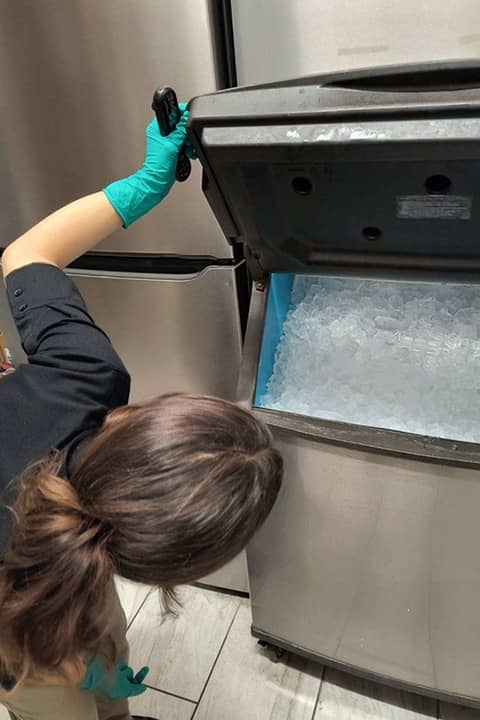
During the course of Lindsay’s externship, she gained a wide range of experience in many different aspects of the environmental health field. She conducted food service sanitation surveys, safety inspections of health clinics, and even completed training and received certificates in various subjects including food safety and food service inspections, pool inspections, and OSHA construction safety. Lindsay reports having such confidence and knowledge of food service sanitation surveys that, by the end of the summer, she was completing them independently through various settings.

Perhaps the most rewarding experience was a project based on her own interest and expertise in environmental health. She chose to research vectorborne diseases in the pacific northwest, and what risk they pose to the tribes served by the Portland Area Office. Lindsay chose this topic because of her interest in zoonotic diseases and overlap in her two fields of interest, ecology and public health.
As part of this project, Lindsay created a report outlining the potential risks vector‑borne diseases pose to these communities and identifying actions that could help prevent future illness. While current case numbers in the Pacific Northwest remain relatively low, climate change, particularly warmer summers and milder winters, is allowing vector species to expand both their geographic range and the length of their active seasons. Through her research, Lindsay found research that West Nile virus and Lyme disease represent the most significant emerging threats in the region. Recommended strategies to address these risks include monitoring vector populations, increasing public education and outreach, and implementing targeted interventions to reduce vector numbers.
Professionals in the environmental health and safety sector help keep workplaces safe for employees by ensuring compliance with safety regulations and providing education materials. CMU’s environmental health and safety program prepares students for the real world. Lindsay was prepared for her externship, and as a result, she has already positively impacted people’s lives.
Overall, the time Lindsay had as a JRCOSTEP provided her with invaluable professional and cultural experiences. This program allowed her to learn many different environmental health skills, while simultaneously exposing her to new cultural experiences that educated and improved her as a person. Whether it be climbing a water storage tank to inspect it, or trying new regional food, each new experience left a positive impact that will carry her in her future. She is planning to pursue her Master’s in Public Health after graduating in December 2026.