CMU launches 2026 Campus Climate Survey
October 13, 2026
Now through October 31, we're waiving application fees for all freshman and transfer applicants!
*Common app code: Central27
Faculty expert says strength shows up as dependability, not dominance
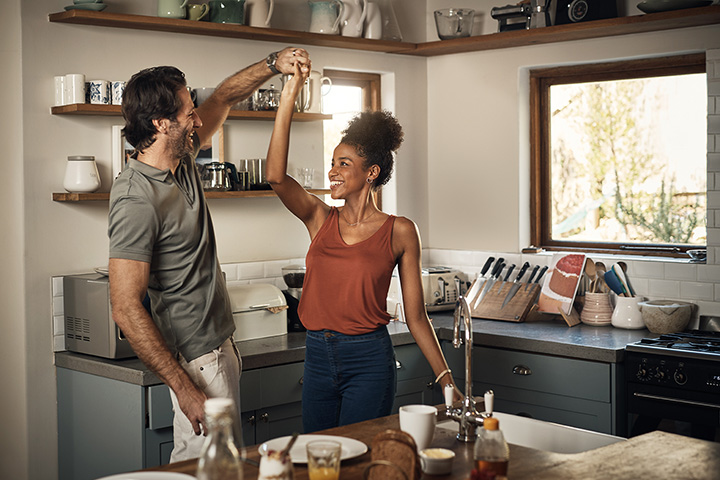
Allison Arnekrans is a faculty member in the Central Michigan University Master of Arts in Counseling Program and an expert in healthy relationships. She is a Licensed Professional Counselor (LPC) and has provided individual, couple, family and group counseling services for the past 16 years. She shared her advice on what to look for in healthy relationships.
Key takeaways
What I found helpful over the years is observing people over time, especially how they handle normal life. Everyone looks great when things are easy (i.e. fun dates, vacations, good moods and successes) and/or short-term (i.e. first date, introduction to friends or family, a surprise). The more valuable clues show up when something goes wrong. Whether it be a stressful week, a disagreement, a plan that falls through or a bad habit…you can learn a lot from the less glamorous interactions with your partner.
Healthy partners tend to do a few things:
Realistic partners also understand that relationships take effort and patience, not constant excitement. If someone expects everything to always feel perfect, dramatic, or movie-like, that’s usually not very realistic. especially long-term and even more so- financially!
A simple question to ask yourself is: “When something goes wrong, do we work through it or does everything fall apart?”
Yes and no! After watching a lot of relationships over time, the truth is most people want very similar things. Things like respect, appreciation, trust, emotional safety, good communication and a true connection are universally acknowledged amongst most partners as important “needs” within a relationship.
The difference is often how those needs get expressed, and not the needs themselves.
For example, some people feel loved and valued through conversation and emotional sharing. Others feel it more through actions like loyalty, intimacy or acts of service.
A phrase I like to share with students is: “Most people want the same things…they just speak different emotional languages.”
As a result, learning each other’s “language” tends to matter more than focusing on gender differences.
I am definitely seeing this more and more as social media can quietly shape how people think relationships are supposed to look…both the relationship as a whole and both partners individually. There is an entirely other conversation to be had about social media’s impact on personal mental health (e.g., anxiety, depression, disordered eating, etc.), but we can save that for another time.
There are a few things that often reveal themselves when a partner has relied on social media to formulate their understanding of what a relationship is and what it is not.
For example:
One thing worth remembering: most healthy relationships look pretty ordinary from the outside. The strongest couples I’ve known don’t usually have the flashiest social media presence. Instead, they just quietly show up for each other day after day. Overall, don’t confuse a highlight reel with real life.
A lot of men grow up hearing that strength means being tough, independent or emotionally controlled. But in healthy relationships the opposite is often requested as the strongest men tend to show strength in different ways.
Real strength often looks like being able to communicate honestly or taking responsibility when you’re wrong. It can also look like showing up consistently for your partner, and being emotionally present, rather than distant. In other words, strength in a relationship isn’t about dominating, controlling or avoiding feelings. It’s about being dependable and emotionally mature to handle whatever comes your way.
One phrase that tends to stick with students is: “Anyone can walk away when things get uncomfortable. Strength is staying engaged and working through it.”
How do I know if someone is unwilling to change, or just unable?
This is a really important distinction and one you will have to continually reflect on based on your experiences in the relationship. The easiest way to tell is to watch what happens after the conversation.
Someone who is unwilling tends to:
Over time, patterns reveal a lot. One conversation doesn’t and can’t tell you everything; however, repeated behavior does. If someone consistently shows no interest in growing, changing, trying a new way, or even taking feedback, that usually tells you what you need to know.
There are three important questions you should be able to answer quickly and honestly if you are in a healthy relationship.
Can you…
Question 1: Can I be myself?
Continually assess how you feel when you are around that person. Do you feel comfortable being your real self, or do you feel like you are constantly editing what you say or do? Do you feel like you have to “prove yourself” or do you genuinely feel like you are enough when you are together?
In a healthy relationship, you don’t feel like you have to perform. You don’t feel judged for your interests, opinions, friends, or boundaries. You can disagree, have different hobbies, or need space without it turning into a problem. If you notice yourself shrinking, walking on eggshells, or feeling like you have to “earn” someone’s approval, that’s usually a sign something isn’t quite right. A good relationship should feel like exhaling, not like a constant test.
Question 2: Can we talk about things that actually matter in an appropriate way?
Every relationship has disagreements, and that is normal and healthy, but what really matters is how you handle them together and move forward. Healthy partners can talk about uncomfortable things without it becoming a blow-up, silent treatment, or guilt trip. They listen, even when they don’t fully agree. They try to understand where the other person is coming from instead of trying to “win.” Even if they observed some of these less appropriate ways of dealing with conflict growing up, partners focused on creating a healthy relationship are willing to do things in a different way to achieve a different result.
One thing I’ve learned after watching a lot of relationships is this: the strongest couples aren’t the ones who never argue or disagree. But they ARE the ones who know how to repair things after a disagreement. They can acknowledge their words or actions in a situation, attempt to see both perspectives, and attempt to find a resolution…and without violence, yelling, belittling or avoiding. Overall, you can tell if the relationship is healthy by assessing the communication…the timing, the associated feelings, the reactions, the actions, and the resolve.
Question 3: Are we growing or holding each other back?
A really good relationship should make your life bigger, not smaller. This means that your partner encourages your goals, your friendships, and the things that matter to you. They’re proud of your successes instead of threatened by them. They don’t try to isolate you from other people or make you feel guilty for having your own friends and hobbies.
A question I always tell students to ask themselves is simple: “Do I like who I am when I’m in this relationship?”
If the answer is yes, that’s usually a very good sign! However, continue to assess the answer throughout the relationship…at the beginning and throughout as things change (and they will continue to change).
About Allison Arnekrans

Allison Arnekrans, PhD, LPC, NCC, ACS, BC-TMH has been a Professor in the Master of Arts in Counseling Program at Central Michigan University for the past 12 years. Prior to coming to CMU, she worked as an outpatient therapist in an urban Community Mental Health setting serving youth and families. She also has clinical experience working in an Employee Assistance Program (EAP), a Partial Hospitalization Program, a group private practice, and, most recently, opened her own telehealth-based private practice focusing on relationship and communication issues, perinatal and perimenopausal concerns, and supporting high-achieving adults. Her professional practice focuses on client empowerment, a solutions-focused approach, and providing a safe space for true reflection. Dr. Arnekrans’ current research endeavors include counselor education program policy development and clinical experience management and telehealth best practices.