Now through October 31, we're waiving application fees for all freshman and transfer applicants!
*Common app code: Central27
Research sheds new light on how the brain responds to stress
Why do some individuals seem better equipped to handle stress than others? New research from Central Michigan University suggests the answer may lie in the brain’s chemistry.
Dr. Peter Dijkstra, a faculty member in the Department of Biology at CMU, collaborated with Dr. Ryan Wong of the University of Nebraska at Omaha (UNO) on a study examining how different stress-coping styles affect the brain’s biological response to stress. Their findings, which will be released soon, provide new insight into how the brain protects itself from stress-related damage.
The project was funded through the Nebraska INBRE (IDeA Networks of Biomedical Research Excellence) program, part of the National Institutes of Health (NIH) IDeA (Institutional Development Award) initiative supporting biomedical research and student training.
The researchers used zebrafish lines selectively bred for different responses to novel environments, categorized as either “bold” (proactive) or “shy” (reactive), based on how they behaved in a new environment. Just before collecting brain tissue, the fish were briefly exposed to a novel environment to induce a stress response. The team then measured stress-related chemical changes in the brain.
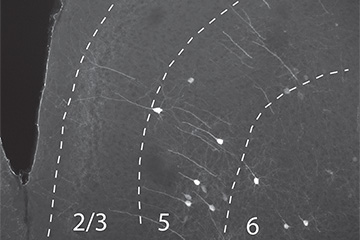
Stress is known to increase reactive oxygen species, which are unstable molecules that can damage brain cells if they are not properly controlled. The brain relies on antioxidant defenses to counteract this damage, but the role of coping style in these defenses has not been well understood.
“What interested us was whether behavioral coping strategies map onto real biochemical differences in the brain,” Dijkstra said. “Our results suggest that individuals who are more reactive to stress may actually have stronger antioxidant defenses.”
The study found that stressed zebrafish showed increased antioxidant activity, particularly higher levels of glutathione, a molecule that helps protect cells from damage. Shy fish consistently showed greater antioxidant capacity than bold fish, suggesting a built-in protective mechanism that may help limit stress-related harm.
In addition to its scientific findings, the project provided hands-on research training for students. Graduate student Robert Fialkowski and undergraduate researcher Brady Bush, now a student in CMU’s College of Medicine, played key roles in the study. The collaboration also extended to manuscript development, which was led by Princess Sunday-Jimmy, a graduate student at UNO, working closely with students at CMU.
“This collaboration has been scientifically exciting and deeply rewarding from a training perspective,” Dijkstra said. “It’s a great example of how cross-institutional partnerships can advance discovery while mentoring the next generation of scientists.”
The findings contribute to a growing body of research focused on how stress affects the brain and why individuals differ in their ability to cope, knowledge that could one day help inform treatments for stress-related neurological and mental health conditions.