
CMU named Gold-Level Veteran-Friendly School
October 15, 2026
Now through October 31, we're waiving application fees for all freshman and transfer applicants!
*Common app code: Central27
English faculty member describes elements critical to the spooky genre
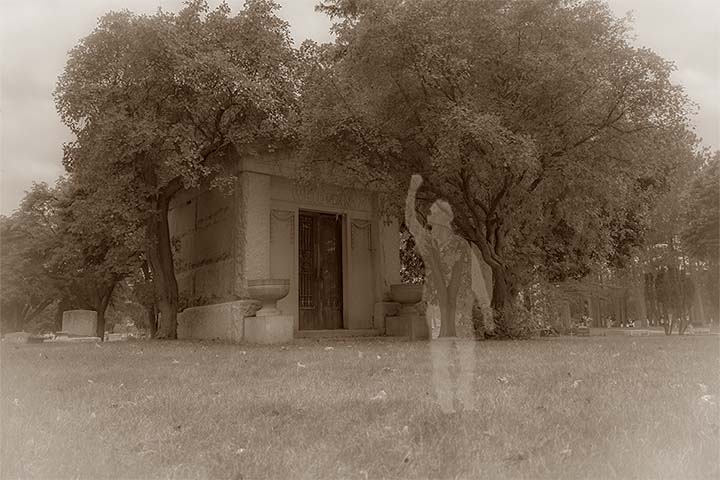
Jeffrey Andrew Weinstock is a Gothic literature scholar, a Professor of English at Central Michigan University and the associate editor in charge of horror at the Los Angeles Review of Books. He also is the founder and president of the Society for the Study of the American Gothic, founder and general editor of the peer-reviewed journal American Gothic Studies and the co-founder and past chair of the Modern Language Association’s Gothic Studies Forum. In this article, he defines Gothic stories and their themes, historical roots and narrative conventions.
Below are key takeaways:
In popular parlance, “Gothic” and “horror” are often used interchangeably. However, we can think of the Gothic as a genre and horror as an emotion.
The Gothic emerged as a category of literature in the late eighteenth century in stories defined by a spooky atmosphere, and including violent acts, elements of the supernatural and a morbid fascination with the past and with death.
What we think of today as the horror genre is a product of twentieth-century advertising, which described classic monster movies of the 1930s as “horrible” or “horrifying”—and thus “horror films” were born: films that seek to elicit a sense of horror. The term was then applied to literature as well, and subsequently to other creative forms.
While there is significant overlap between the two categories, not all Gothic tales are necessarily horrifying, nor do all horror stories create a Gothic atmosphere or include elements of the Gothic.
Gothic fiction has often focused on the ways the past haunts the present—ghosts and hauntings, both literal and metaphoric, are at the heart of the genre as past misdeeds and legacies of violence are brought to light. The Gothic thus often insists that we “do not know the full story”—and that the true history waiting to be disinterred is not a happy one.
The Gothic’s preoccupation with the past is also reflected by its characteristic settings: old, spooky castles, convents, haunted mansions, graveyards, dungeons, and so on—places thick with history where the ghosts of the past can manifest.
An atmosphere of dread is thus key to the Gothic as it unearths horrifying tales of murder and rape, incest and abuse, and of monstrous appetites that seek to devour the innocent and unprotected.
Contemporary films with strong Gothic elements include Guillermo del Toro’s Crimson Peak (2015), James Watkins’ The Woman in Black (2012), and Robert Eggers’ The Lighthouse (2019).
On television, Gothic elements are pronounced in Mike Flanagan’s Netflix miniseries, The Haunting of Hill House, The Haunting of Bly Manor, and The Fall of the House of Usher, as well as in the Showtime series Penny Dreadful.
Goth music is a post-punk subgenre that draws inspiration from Gothic tales, such as those by Edgar Allan Poe, which it expresses through morbid themes and a preoccupation with death. The goth subculture is perhaps most notable for its characteristic style, which includes black clothing, Victorian-inspired garb and elaborate make-up often involving white face paint.
The world of the Gothic is a haunted one.
At the heart of the genre is the insistence that our familiar world is only a small part of a larger universe of threatening powers and forces. We are like children lost in the forest with a dying flashlight. We can only see so far and, just beyond what our flashlight illuminates lurk monsters—and they are hungry. In the fiction, this may include literal vampires and ghosts. Or they may the metaphoric ghosts of a violent past that won’t rest easy until the truth has been recovered. History in the Gothic is thus always supernatural—more than we know and never gentle or kind.
About Jeffrey Andrew Weinstock
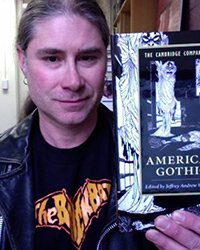
Jeffrey Andrew Weinstock is Professor of English at Central Michigan University, the Los Angeles Review of Books associate editor in charge of horror, the founder and president of the Society for the Study of the American Gothic, the founder and general editor of the peer-reviewed journal American Gothic Studies and the co-founder and past chair of the Modern Language Association’s Gothic Studies Forum.