Now through October 31, we're waiving application fees for all freshman and transfer applicants!
*Common app code: Central27
Bachelor of Science in Nursing Program
Mission
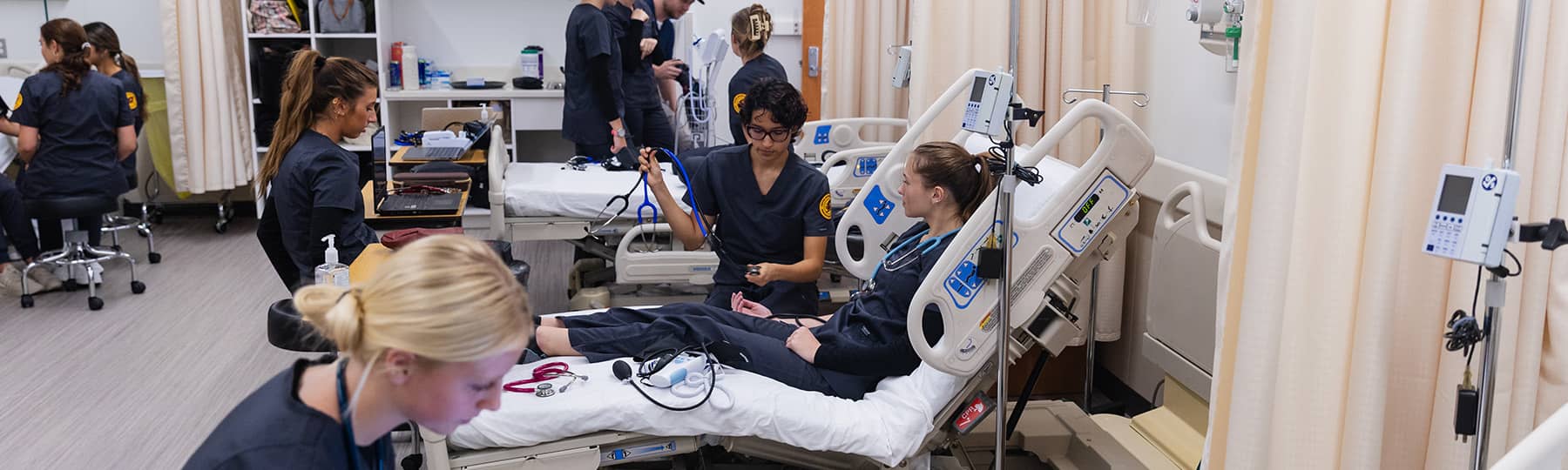
The mission of the BSN is to create a culture of excellence that promotes the personal and professional growth of students to become nursing leaders through systems thinking, research, and service.
The BSN recognizes the unique characteristics and needs of our diverse, primarily rural setting, preparing graduates to provide nursing care to individuals, families, groups, communities, and populations in a variety of settings.
Program graduates demonstrate competence in clinical judgment, collaborate as members and leaders of interprofessional healthcare teams, and utilize evidence-based interventions to manage illness; promote, maintain, and restore health across the lifespan.
Goals
- Provide graduates with a strong foundation in nursing leadership, evidence-based practice, systems thinking, and population health to meet the demands of health care employers.
- Build upon a foundation of the arts, sciences, and humanities and professional nursing education that provide a base for our graduates' eligibility for graduate degree education to prepare for advanced nursing practice roles.
- Implement innovative and accessible models of nursing education to meet the personal and professional needs of an increasingly diverse student body.
- Recruit and retain qualified and diverse students committed to academic excellence, professional development, and lifelong learning.
- Recruit and retain qualified faculty who contribute to the university, the profession, and service and scholarly endeavors.
Student learning outcomes
By the end of the BSN Degree, the graduate will:
- Integrate knowledge from the liberal arts, sciences, and nursing courses to provide culturally competent nursing care for diverse populations.
- Demonstrate nursing leadership principles to plan and implement patient safety and quality improvement initiatives within the context of a dynamic complex health care system and interprofessional care.
- Apply concepts of global health to plan appropriate culturally safe care and health promotion for vulnerable populations.
- Utilize best current evidence and systems thinking to improve nursing and health care practices for groups or populations.
- Incorporate concepts of interprofessional collaborations and communication, health policy, finance, and regulatory environments as leaders in nursing practice.
Nursing pathways
Traditional BSN program
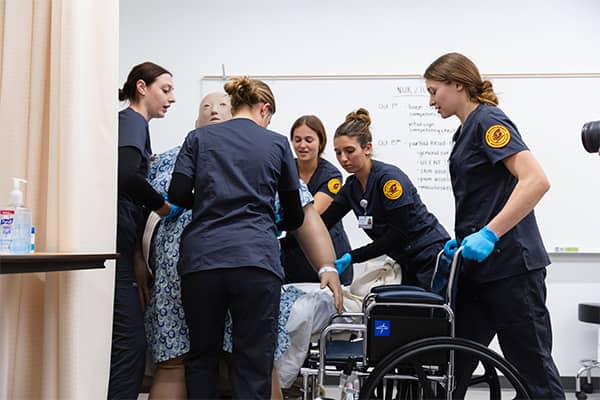
The traditional BSN nursing major is designed for students entering the nursing profession aiming to obtain their BSN degree. This program prepares you to sit for the National Council Licensure Examination-RN (NCLEX-RN) to become a Registered Nurse (RN)
RN-to-BSN program
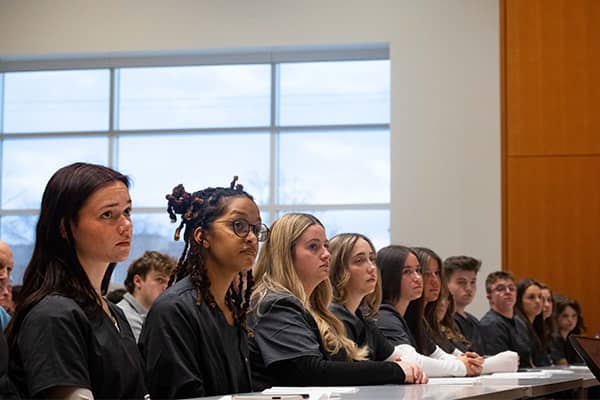
The online RN-to-BSN degree completion program is designed for working RNs or students who have recently graduated with their associate's degree and are preparing to take the NCLEX-RN.
Joint Nursing Education Pathway (JNEP) program
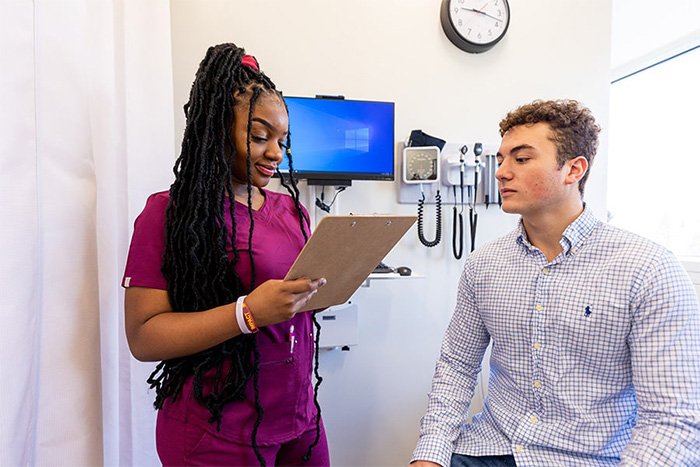
The CMU-Mid Michigan College Joint Nursing Education Pathway (JNEP) program is designed as a partnership with the Mid Michigan College associate degree nursing (ADN) program and CMU's RN-to-BSN program.
Nursing Programs
Health Professions Building 2212
Central Michigan University
Mount Pleasant, MI 48859
Phone: 989-774-3768
The baccalaureate degree program in nursing at Central Michigan University is accredited by the Commission on Collegiate Nursing Education, 655 K Street NW, Suite 750, Washington, DC 20001, 202-887-6791.